I am a second-year PhD student in Materials Science & Engineering at Johns Hopkins University, where I build machine learning and high-performance computing tools that accelerate the discovery and design of new materials as a member of the Choudhary Research Group.
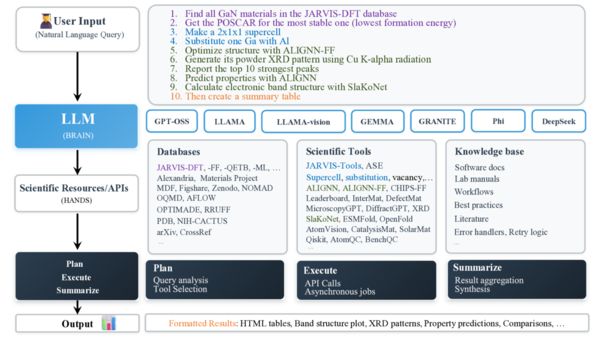
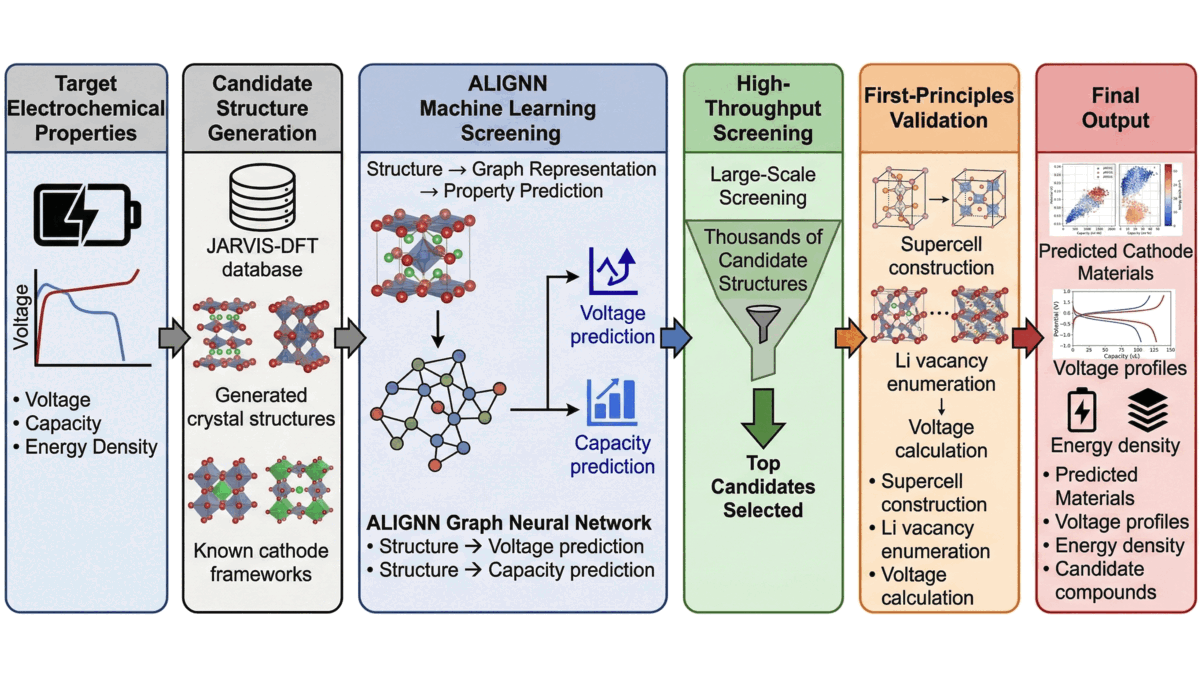
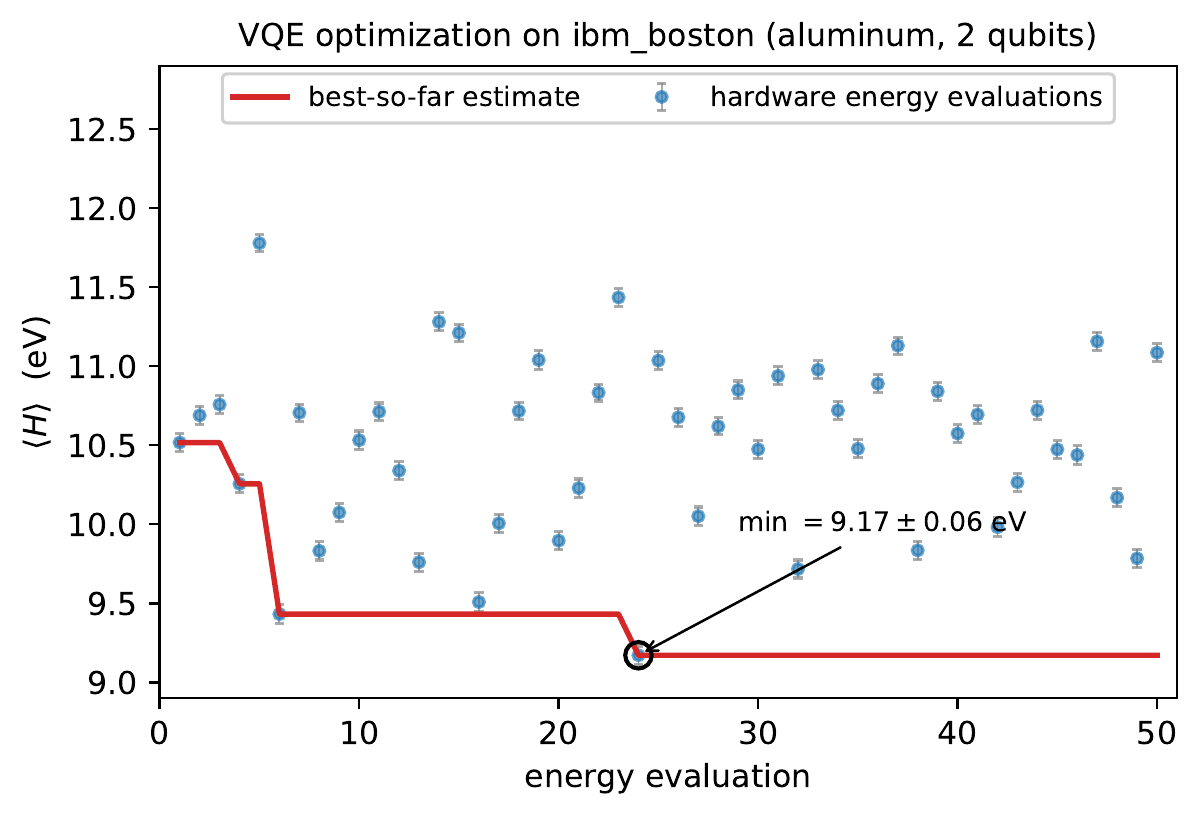
My research sits at the intersection of first-principles simulation (DFT), machine-learning interatomic potentials, and agentic AI. I work on a range of problems: predicting electronic properties across millions of crystal structures, screening and designing battery cathode materials, learning catalytic adsorption energies, and building AtomGPT-powered agents that let researchers run materials-discovery workflows in natural language. I also care about making these methods fast and reproducible at scale, from single GPUs to multi-GPU systems.
Before Hopkins, I earned an M.S. in Chemical Engineering from Columbia University and a B.S. in Chemical Engineering from Penn State, with prior research in machine-learning interatomic potentials for battery materials and DFT studies of catalytic metal oxides.
Feel free to reach out to me at jlee859@jh.edu or grab my CV.
Recent News
| Sep 09, 2026 | Actuator, the marketplace I am building where AI agents hire people for real-world work, was accepted into the Fall 2026 Spark Accelerator cohort at the Johns Hopkins Pava Marie LaPere Center for Entrepreneurship. |
|---|---|
| Aug 11, 2026 | Helped organize the “Best Practices for Developing Autonomous Materials Instrumentation” workshop, a joint NIST and Johns Hopkins University event, August 11–12, 2026 (details). |
| Jul 09, 2026 | New co-authored preprint on arXiv: “Hybrid DiffractGPT-Rietveld Refinement Framework for Automated X-ray Diffraction Analysis” (arXiv:2607.08890). |
| Jul 08, 2026 | New co-authored preprint on arXiv: “Hallucination Detector: A Hybrid LLM and Semantic Scholar Tool-Calling System for Detecting Hallucination in Scientific Literature on AtomGPT.org” (arXiv:2607.09774). |
| Jul 07, 2026 | New preprint on arXiv: “BatteryMat: A Hierarchical Machine-Learning and DFT Framework for Average-Voltage Screening of Lithium-Ion Cathode Materials” (arXiv:2607.06645). |